

The UN Just Named Slavery a Crime Against Humanity. Now What?
The United Nations declares the transatlantic slave trade the “gravest crime against humanity” in a Ghana-led vote.

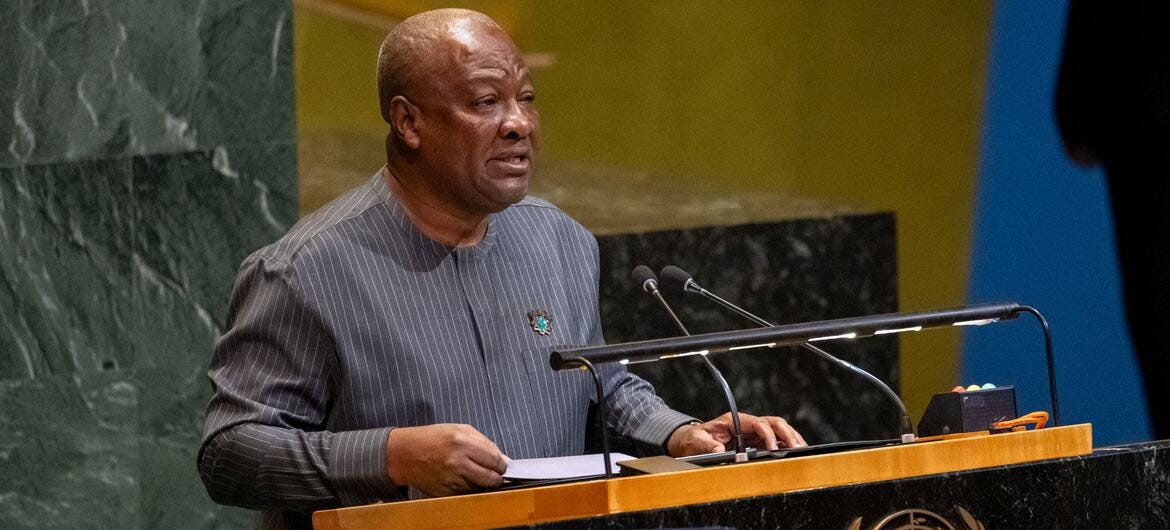
On March 25, 2026, the United Nations General Assembly adopted a resolution declaring the transatlantic trafficking of enslaved Africans and racialized chattel enslavement the “gravest crime against humanity.” The measure, led by Ghana, passed with 123 votes in favor, 3 against, and 52 abstentions.
The three countries that voted against the resolution were the United States, Israel, and Argentina.
Recognition, Not Repair
The resolution calls for reparatory justice measures, including formal apologies, financial compensation, the return of cultural artifacts, and institutional reforms. It also encourages continued global dialogue on accountability for the lasting impacts of slavery. However, the measure is non-binding, meaning it does not create enforceable legal obligations for countries to provide reparations.
What this means, then, is not immediate change, but formal recognition. For those living in the aftermath of this history, particularly across the African diaspora, the resolution establishes a global acknowledgment of harm that has long shaped present-day realities.
It does not close gaps or repair systems on its own, but it does name the foundation those gaps were built on.
Ghana at the Center
Ghana’s role in this resolution is not incidental. As the country that initiated and led the measure, it placed an African nation at the center of a global conversation about a history that disproportionately impacted the continent and its diaspora.
In recent years, Ghana has positioned itself as a key voice in discussions around the legacy of the transatlantic slave trade, including calls for reparatory justice and initiatives aimed at reconnecting with the diaspora.
In 2019, the government launched the “Year of Return,” marking 400 years since the first recorded enslaved Africans arrived in the Americas and inviting descendants of the transatlantic slave trade to return to the continent. While the initiative did not automatically grant citizenship, Ghana has since extended citizenship to select members of the diaspora through formal processes.
That initiative was followed by “Beyond the Return,” a 10-year program focused on strengthening long-term relationships between Ghana and the African diaspora through cultural exchange, investment, and relocation pathways.
Ghana has also taken steps to grant citizenship to members of the diaspora, positioning itself as a point of reconnection for those seeking to reestablish ties disrupted by slavery.
What Comes Next
What happens next remains open. The resolution does not mandate action, but it does shift the terms of the conversation—what is formally recognized, what can be contested, and what is now documented at a global level. In that sense, the vote is less an endpoint and more a marker of where accountability begins to take clearer shape.