

In the Age of “Vibe Coding,” the Real Competition May Be Marketing
As AI makes building software easier, tech leaders suggest companies may shift resources away from engineering and toward brand, storytelling and distribution.

Artificial intelligence has already transformed marketing and creative industries in ways few predicted when OpenAI released its generative AI tools in late 2022.
As automation continues to reduce several entry-level roles across media and communications, other sectors once considered relatively insulated are beginning to experience similar disruption. Now, a new phrase circulating in technology circles — “vibe coding” — suggests the next shift could reach software engineering itself.
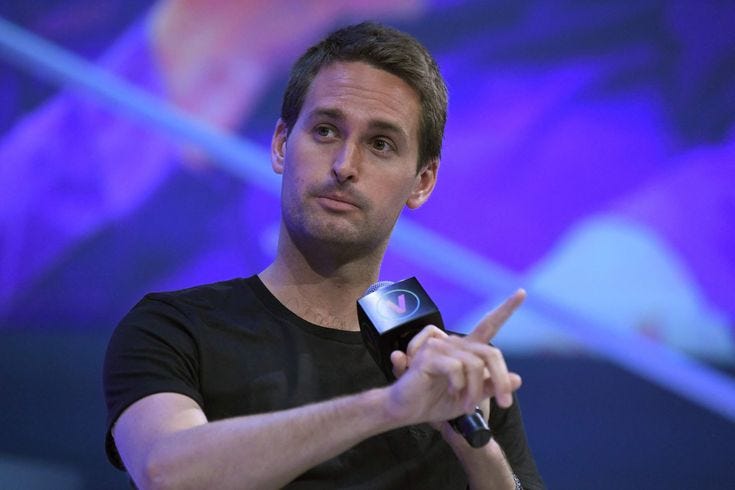
During a recent discussion about the future of AI-assisted development, Evan Spiegel, CEO of Snap Inc., the company behind Snapchat, suggested that tools enabling “vibe coding” could ultimately reshape how companies allocate resources — potentially shifting spending away from engineering and toward marketing and distribution
What’s “Vibe-Coding?”
The concept behind vibe coding reflects a broader shift in how software is being developed in the age of artificial intelligence. Rather than writing every line of code manually, developers — and increasingly non-technical creators — can generate applications by describing the features they want. AI systems then produce the underlying code, allowing users to iterate, edit and test the results.
As these tools improve, the time and cost required to build digital products could decrease significantly. In that environment, the competitive challenge moves beyond simply creating a product. Instead, companies must focus on how those products reach audiences in an already crowded digital marketplace.
That shift is where marketing enters the conversation. If software development becomes faster and more accessible through AI-assisted coding, companies may begin reallocating resources toward brand strategy, storytelling and distribution — areas traditionally led by marketing and communications teams.
Why Marketing Could Gain Influence
For early-career professionals in marketing and creative industries, the possibility of increased investment in these areas arrives after a difficult few years in the job market. Since the rapid adoption of generative AI tools in 2023, entry-level roles across media, advertising and communications have become increasingly competitive as companies experiment with automation and leaner teams.
Yet if the next phase of AI development pushes companies to prioritize audience growth and brand visibility, the industries responsible for shaping those narratives may see renewed demand. In a landscape where more people can build products, the ability to capture attention — and maintain it — could become a defining competitive advantage.
For many Gen Z professionals entering the workforce, this moment reflects years of adaptation. Facing a constrained job market, many young creatives have turned to building personal brands, learning new platforms and developing skills that extend beyond traditional job descriptions.
A Shift in the Digital Economy
If AI-assisted development ultimately lowers the barrier to building products, those efforts may prove more valuable than expected. In an economy where software creation becomes more accessible, the ability to shape narratives, build communities and connect products to culture may become a defining business advantage.
The rise of vibe coding may signal more than just a technological shift. It reflects a broader transition in how value is created in the digital economy. When building becomes easier, the challenge moves to visibility — and the people who understand how to capture attention, tell stories and build audiences may hold more influence than ever before.