

Black Environmentalists Shaped a Movement Long Before Sustainability Became a Trend
How Black environmentalists built a movement around livability — and why its conditions remain unresolved.

Black communities across the United States have been organizing around environmental conditions for decades, long before sustainability became associated with lifestyle branding, wellness culture or consumer choice.
Activists and researchers including Hazel Johnson in Chicago, Hattie Carthan in New York and Robert Bullard in Texas helped define what is now known as the environmental justice movement — a framework that examines how pollution, waste and environmental risk are disproportionately concentrated in Black communities.
Their work positioned environmentalism as a public health and civil rights issue, not simply a matter of individual behavior.
Black Environmentalists in History
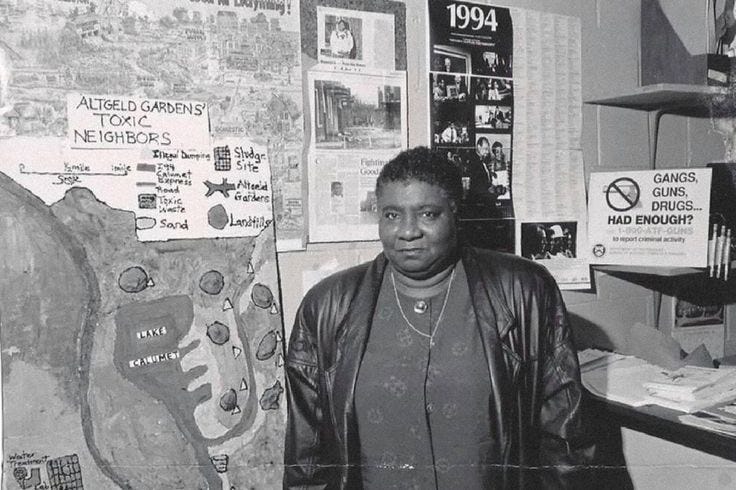
Hazel Johnson began organizing in the 1960s while living in Altgeld Gardens, a public housing development on Chicago’s South Side surrounded by landfills and industrial facilities. Residents reported high rates of asthma and other illnesses, concerns Johnson linked to environmental exposure in the area. She went on to found People for Community Recovery, one of the first grassroots organizations to address environmental hazards in a Black community.
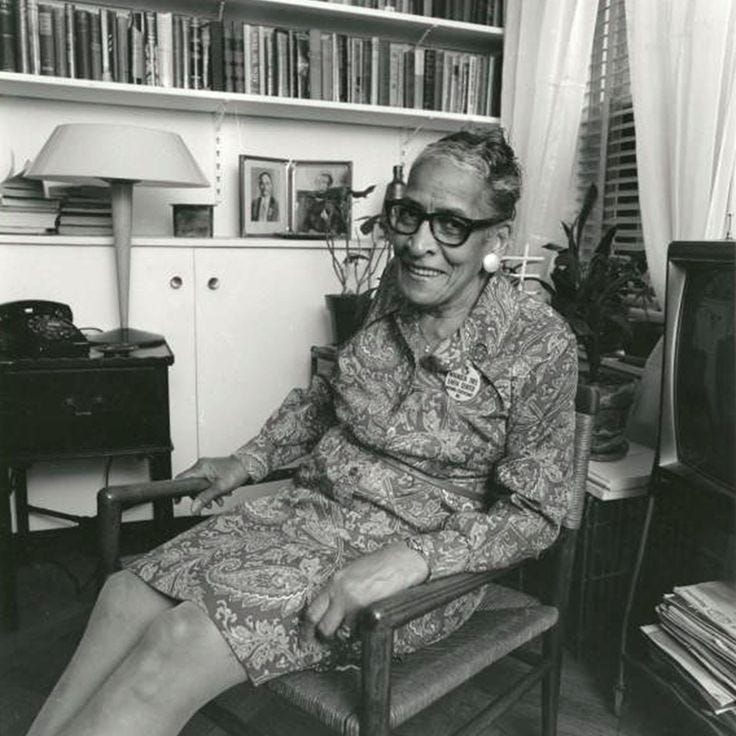
In New York, Hattie Carthan led a separate but related effort in Bedford-Stuyvesant, where access to green space was limited. Beginning in the 1960s, she organized local residents to plant trees and later pushed the city to support environmental education initiatives. Her work contributed to the creation of the Magnolia Tree Earth Center, one of the first environmental education centers in an urban community.
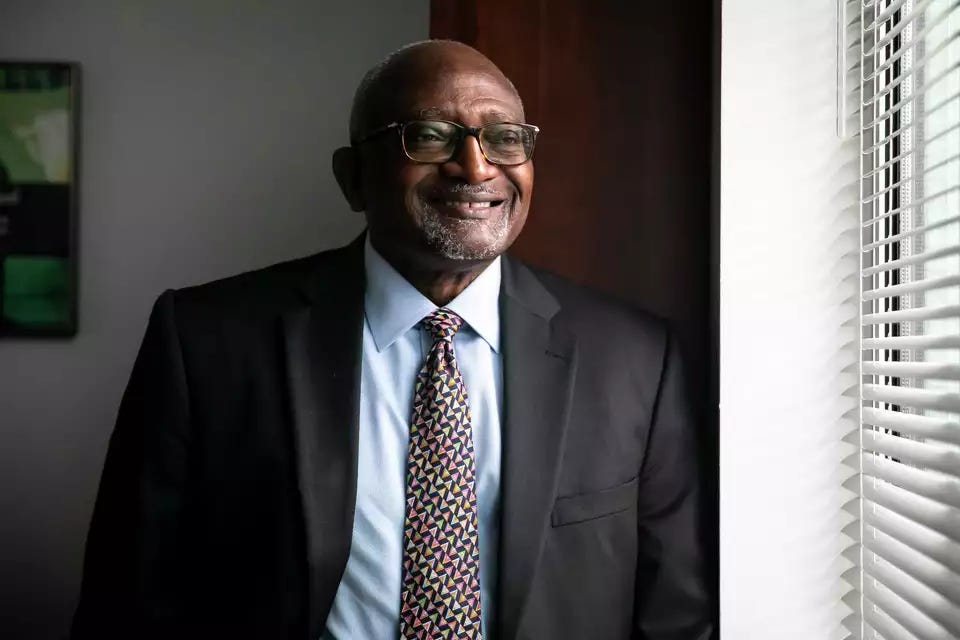
Robert Bullard’s research in Houston in the late 1970s provided data that helped formalize these concerns. While working on a lawsuit over the placement of a landfill in a Black neighborhood, he mapped the location of waste sites across the city and found a clear pattern: most were located in Black communities. His findings became foundational to the study of environmental justice.
The term “environmental justice” would gain wider recognition in the 1980s and 1990s, but the conditions that defined it had already been present for years.
Communities facing limited access to clean air, water, food and green space were often the same communities organizing for change. In many cases, residents were responding to immediate health and safety concerns rather than participating in a broader environmental movement as it is commonly understood today.
That distinction continues to shape how environmentalism is experienced.
In recent years, sustainability has become more visible through consumer behavior and digital culture, often framed around personal choices such as diet, wellness routines and low-waste living.
Environmental justice advocates argue that this framing can obscure ongoing disparities in how environmental risk is distributed. In Flint, a majority-Black city, residents were exposed to lead-contaminated drinking water beginning in 2014 after a change in water source. The crisis affected roughly 100,000 people and took years to address, with long-term health and infrastructure impacts that continue to shape public trust.
More recently, advocates have raised concerns about the placement of artificial intelligence data centers in Black and low-income communities. These facilities require large amounts of water and energy and can contribute to air pollution and strain local infrastructure. Civil rights organizations, including the NAACP, have warned that such developments are often located in areas already facing environmental burdens, reinforcing patterns seen in earlier industrial zoning decisions.
For many Black communities, environmental awareness has not developed as a trend or identity, but through direct exposure to environmental risk — from unsafe water systems to industrial pollution and uneven infrastructure investment.
While sustainability is frequently framed through personal habits and consumer choices, those approaches do not account for the structural conditions that continue to shape environmental risk. Access to clean water, air and infrastructure is not evenly distributed, and for many communities, those concerns remain unresolved.
In that context, environmentalism is not simply a matter of lifestyle. It is an ongoing issue of equity.