

100 Years Celebrating Black History Month & Still…
Addressing the real questions: Why February? Why the shortest month? And what’s happened since?

For 100 years, February has been recognized as Black History Month. And let’s be clear—Black history should be taught, honored, and celebrated year-round.
But in 1926, Carter G. Woodson and the Association for the Study of African American Life and History formally initiated this movement by establishing Negro History Week. The observance was intentionally placed in February to coincide with the birthdays of President Abraham Lincoln (February 12) and Abolitionist Frederick Douglass (February 14)—two figures whose legacies profoundly shaped Black American history.
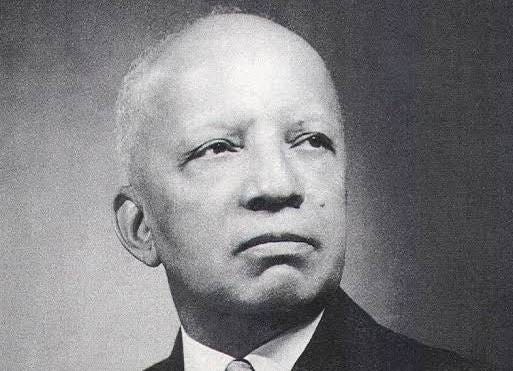
Although this recognition came less than a century after the Emancipation Proclamation was passed, legally freeing enslaved people, those decades in between were anything but quiet. They were marked by Reconstruction and its collapse, the rise of Jim Crow laws, racial terror through lynching and segregation, and systems designed to limit Black freedom under the guise of law.
At the same time, Black Americans were building schools, founding churches and institutions, migrating in search of safety and opportunity, and shaping culture through art, music, and political thought. By the time Black history was formally recognized in 1926, it wasn’t the beginning of the story—it was an acknowledgment of survival, resistance, and progress that had already been unfolding for generations.
And, still…
History did not stop in 1926—and neither did Black achievement. In the decades that followed, Black Americans organized the modern Civil Rights Movement, dismantling legalized segregation through landmark legislation like the Civil Rights Act and Voting Rights Act.
Black artists, writers, and musicians reshaped global culture through movements like the Harlem Renaissance, Motown, hip-hop, and contemporary media. Black scholars built universities and academic disciplines, Black athletes broke color barriers and redefined excellence, and Black activists forced the nation to confront its contradictions. These milestones were not granted—they were fought for, often at great personal risk.
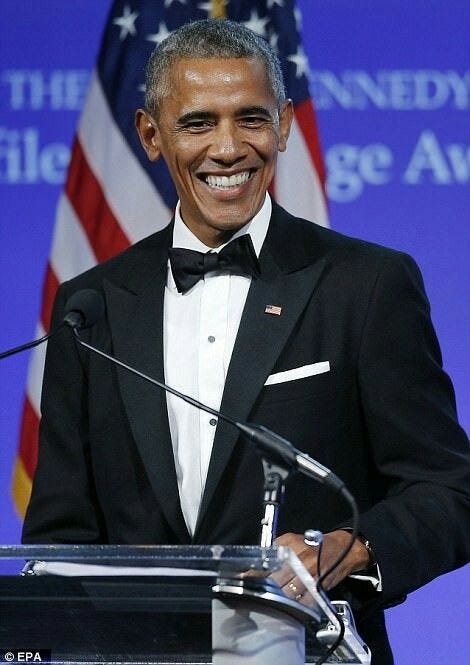
And within our own lifetime, that progress continued to reach heights once considered impossible. In 2009, the United States inaugurated its first Black president, Barack Obama, a moment that reflected generations of struggle, strategy, and perseverance.
Today, Black Americans lead major corporations, shape global conversations online, dominate creative industries, and mobilize movements with tools previous generations never had access to—technology, education, and expanded platforms. Many before us were denied these resources, yet they still managed to build lasting change from 1926 to 2026.
Honoring Black history, then, is not only about remembering how far we’ve come—it’s about recognizing what’s now possible, and understanding our responsibility to keep moving forward.